
For publishers today, language should not be a wall. It should be a doorway. However, for far too long, that doorway has been guarded by high costs, sluggish timelines, and the "translation tax" that prevents great stories from traveling. The traditional challenge is painfully familiar to anyone in the industry: translating books, manuscripts, and academic journals takes months, costs thousands of dollars per title, and often ends up losing the original authorial tone somewhere in the digital abyss. Managing multilingual content management across large volumes only makes the administrative burden heavier, turning what should be a creative endeavor into a logistical nightmare.
The Problem with "Generic" AI in Publishing
Most publishers have tried basic AI translation platforms only to be disappointed. These tools often treat a 300-page manuscript as a series of disconnected strings. They lose the thread of the narrative, fail to maintain character voice consistency, and worst of all-destroy the formatting. When a standard document translation AI doesn't understand that a bolded line is a chapter header or that a footnote must remain anchored to its page, the "savings" from generic AI content localization are immediately lost. Human editors must then spend hours fixing the mess.
This is where Intellexia’s Transpera changes things quietly but effectively. Transpera isn’t just another tool; it is a dedicated multilingual content intelligence platform designed specifically as a sophisticated AI translation tool for the complexities of long-form text. Instead of translating line by line, it utilizes a deeply integrated contextual NLP engine to understand the full document before a single word is changed.
The Document-Aware Difference
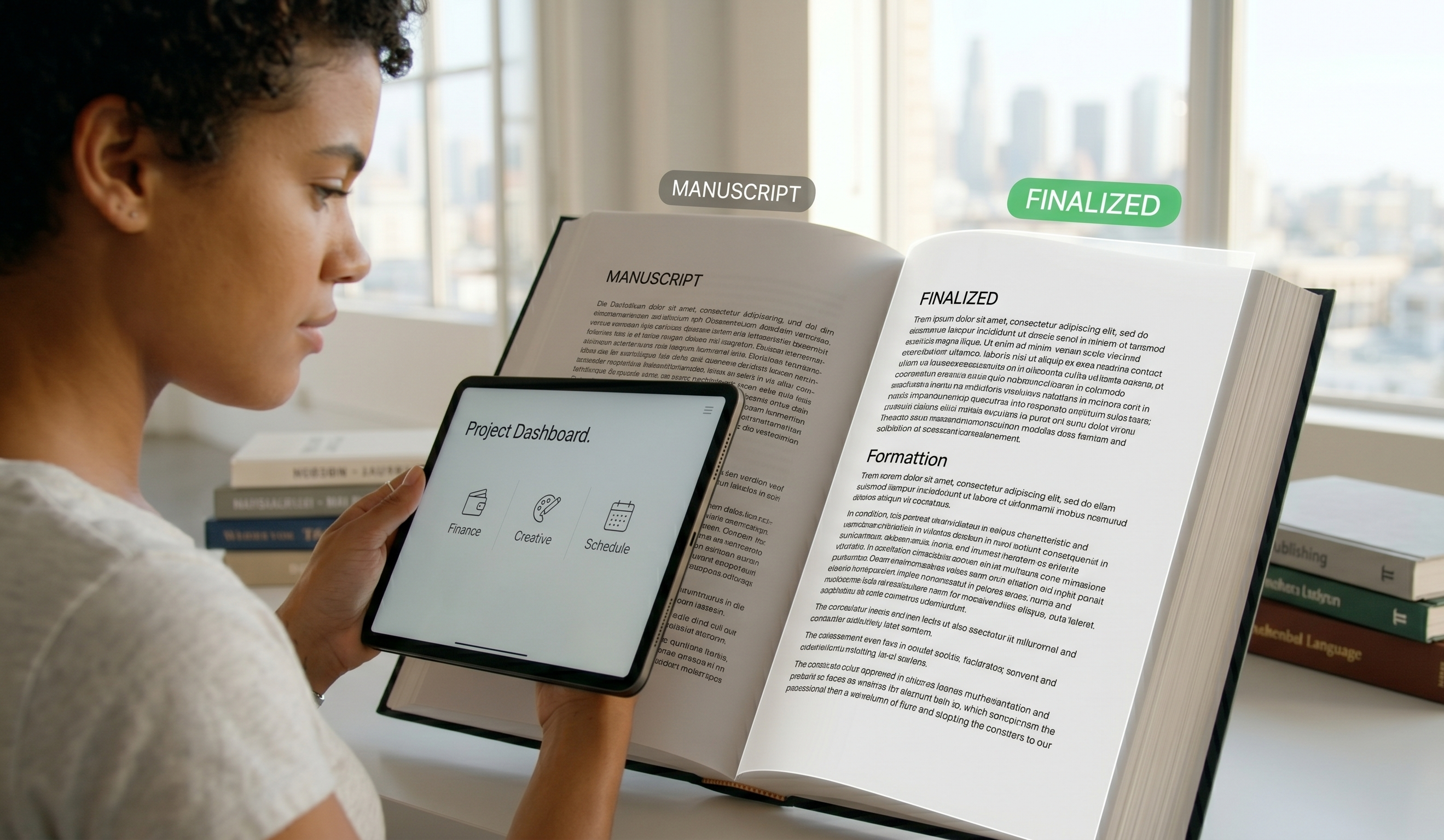
The core of our strategy is document-aware AI translation. This means the AI understands the document’s DNA. It recognizes the hierarchy of information, the flow of the argument, and the specific nuances of the genre. By utilizing structured document AI, Transpera keeps the layout intact. From headings to intricate page layouts, the output reflects the original design, allowing publishers to embrace global content scaling without the constant fear of broken files. This makes it the premier publishing translation software on the market.
When we talk about AI for publishers, we aren't just talking about speed. We are talking about deep AI semantic understanding. Our system uses a document AI engine that identifies recurring motifs, specific terminology, and the "voice" of the author. Whether you are working with a handful of high-priority titles or an entire legacy backlist, the contextual AI translation remains perfectly consistent. You can now work across more than 40 languages without building separate, siloed workflows for each one. This is the definition of a true multilingual automation platform.
Strategic Growth and Content ROI
There is also a significant practical advantage for AI for content teams. In the modern publishing world, a book is more than just the text between the covers. It requires marketing copy, metadata, summaries, and social media blurbs. Transpera functions as comprehensive enterprise AI content tools, allowing you to generate this supporting content in seconds through advanced AI knowledge processing.
For publishers looking to expand into new markets, this is not just a tactical win. It is about leveraging cost-effective localization AI. It allows you to test markets with document-aware translation drafts before committing to full-scale human polish, effectively reducing translation costs AI by massive margins. You achieve faster document translation while maintaining quality.
By shifting the focus from "words" to AI document intelligence, publishers can finally act like global entities. You can scale your output, even supporting a high-frequency publication strategy of 10-15 blogs per week without exhausting your team. It is about scalable content operations ensuring a reader in Lisbon feels the exact same emotional weight as a reader in London.